Effective lizard control relies on exclusion, habitat modification, targeted pest management, and selective, evidence-backed repellents rather than home remedies or ultrasonic devices. Seal gaps, install fine‑mesh screens and door sweeps, reduce ground cover and moisture lizard repellent spray, and manage insect prey through integrated pest strategies. Registered chemical repellents can suppress activity short term when applied correctly; natural oils and predator scents show inconsistent field results. Choose measures based on species, severity, and legal constraints; the following sections explain practical, humane, and regulatory considerations.

Practical First Steps: Prevent Entry and Remove Attractants
Beginning with exclusion and habitat modification reduces lizard encounters by addressing the primary factors that draw them indoors. The recommendation emphasizes simple, proven measures: seal gaps around doors, windows igreenasia, and utility penetrations to limit access; remove debris, leaf litter, and clutter near foundations to eliminate shelter and prey habitat.
Landscaping should be managed to keep vegetation trimmed and mulch layers minimal, reducing insect populations that attract lizards. Food sources—pet food, compost—should be secured and cleaned promptly.
Nighttime exterior lighting can be adjusted to lower insect aggregation. Regular inspection and maintenance sustain effectiveness. These interventions are low-cost, preserve autonomy in property management, and are supported by ecological understanding of habitat preferences rather than reliance on unverified repellents.
Physical Barriers That Actually Stop Lizards (Screens, Seals, Mesh)
When installed and maintained correctly, physical barriers such as door and window screens, weatherstripping, and fine-gauge mesh provide the most reliable, nonlethal method to prevent lizard entry by addressing the structural pathways they exploit.
Evidence-based practice favors durable materials: fine mesh (≤1.5 mm openings) blocks even small geckos, while corrosion-resistant framing maintains integrity. Weather stripping seals gaps around sashes and doors, reducing squeeze points and drafts that invite inspection by reptiles. Door sweeps close the gap beneath exterior doors, a common ingress route. Window screens should be tensioned and routinely inspected for tears, detritus, and displaced fasteners.
Installation that allows easy removal for cleaning preserves effectiveness. Combined with target repairs to vents and utility penetrations, these measures empower occupants to secure living spaces without lethal control.
Habitat Changes That Reduce Lizard Presence (Landscaping, Lighting, Pest Control)
Through targeted modifications to the immediate environment, occupants can substantially reduce lizard activity by removing attractants and altering microhabitats that support prey and shelter.
Strategic landscaping favors native planting that supports fewer insect pests and reduces sheltering spots; dense ground cover and rock piles should be minimized.
Reduce clutter around foundations, storage areas, and yards to remove hiding places.
Lighting choices influence nocturnal insect aggregations—use downward-shielded, lower-intensity fixtures and motion sensors to limit prey attraction.
Integrated pest management that targets insect populations (baiting, habitat elimination, biological controls) reduces food availability and consequently lizard presence.
Regular maintenance—pruning, debris removal, sealing gaps—maintains inhospitable microhabitats.
These measures, applied consistently, alter ecological support for lizards without resorting to chemical repellents.
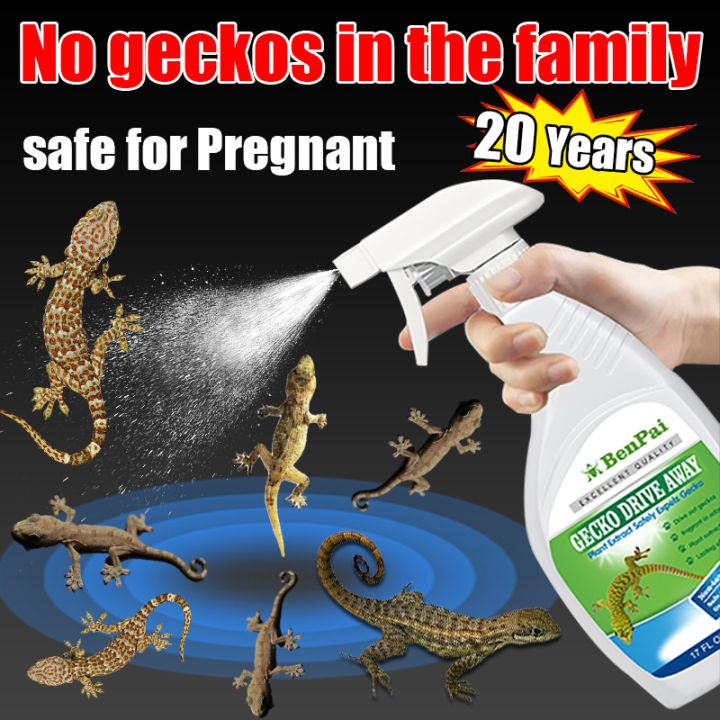
What Works : and What Doesn’t : With Chemical, Natural, and Electronic Repellents
In evaluating chemical, natural, and electronic lizard repellents, empirical studies and controlled observations indicate mixed effectiveness: some commercially formulated chemicals and certain scents show short-term deterrence under laboratory conditions, while many household remedies and ultrasonic devices lack consistent field efficacy.
Objective reviews find that branded repellents with active, registered ingredients can reduce activity briefly but require correct application and re‑treatment; this counters some chemical myths that any solvent or oil will work.
Natural oils and predator scents occasionally alter behavior in confined tests but fail to scale reliably outdoors.
Electronic efficacy remains controversial: peer-reviewed trials generally do not support long‑term population suppression by ultrasonic or electromagnetic units.
Practical guidance favors targeted, evidence-backed use and measurement rather than anecdotal fixes.
Choose the Right Plan: Species, Severity, Legality, and Humane Options
Having established which repellents show measurable effects and which do not, selecting an appropriate management plan requires assessment of species identity, infestation severity, applicable regulations, and humane alternatives. Decision-making begins with species assessment to distinguish protected versus common lizards; this dictates whether legal permits are needed. Severity guides immediate suppression versus incremental measures. Humane relocation and exclusion are preferred when permitted; lethal chemical control is a last resort backed by evidence and compliance. Plans should include long term monitoring to evaluate efficacy and prevent recurrence. Choices should respect personal liberty while adhering to law and ethics. Emotional clarity can be prompted by a concise comparison:
| Option | Impact |
|---|---|
| Relocation | Compassionate, variable success |
| Exclusion | Durable, proactive |
| Chemical | Effective, regulated |
| Monitoring | Essential, empowering |
Conclusion
Effective lizard management relies on integrated, evidence-based measures: exclude entry, remove food and shelter, and modify habitat with barriers, targeted landscaping, proper lighting, and pest control. Physical screens, seals, and fine mesh provide reliable exclusion; habitat reduction and insect management lower attractants. Chemical, natural, and electronic repellents show mixed or unproven results and should be secondary. Select interventions based on species, infestation level, legal protections, and humane principles, monitoring outcomes and adjusting methods accordingly.